01
Cataloguing
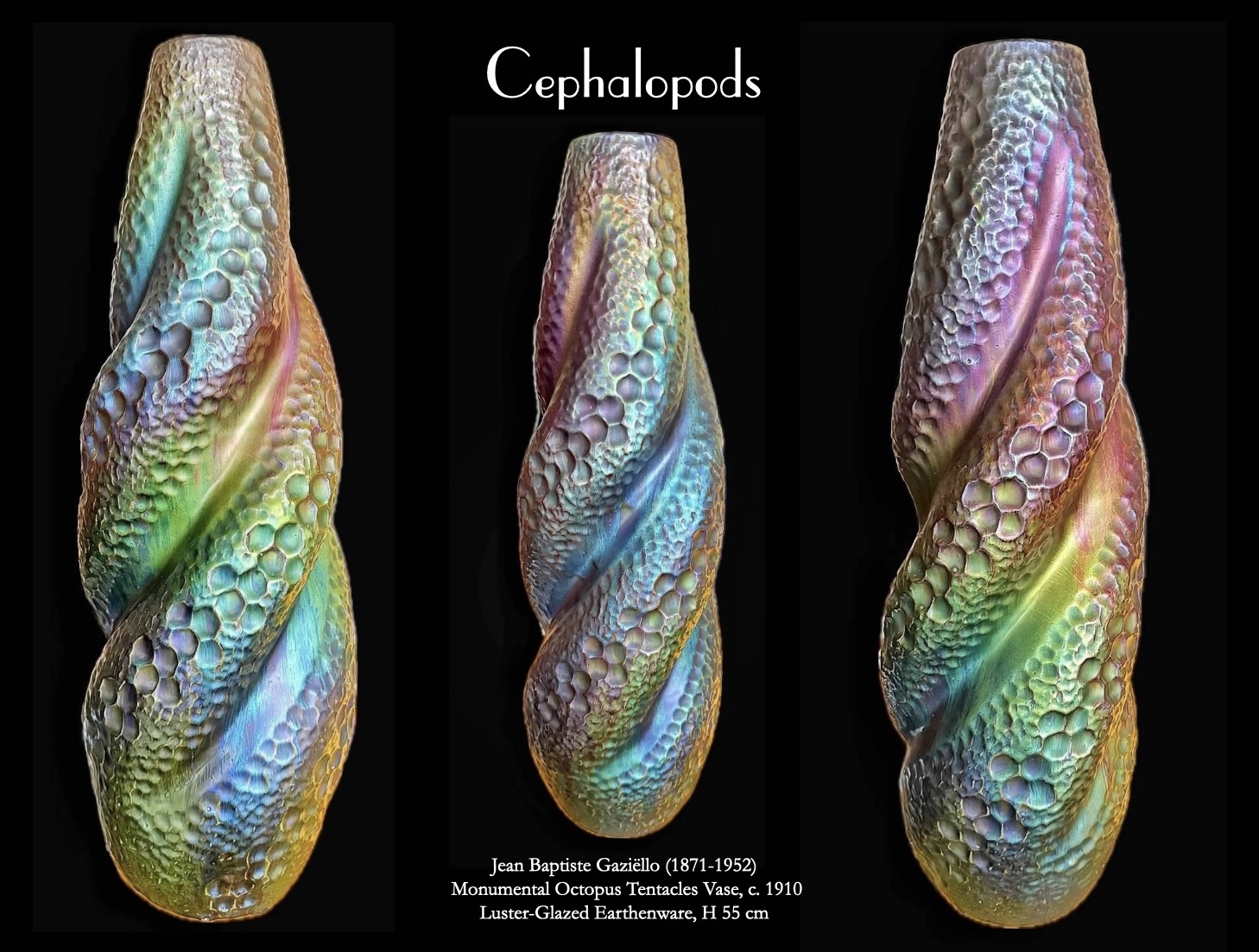
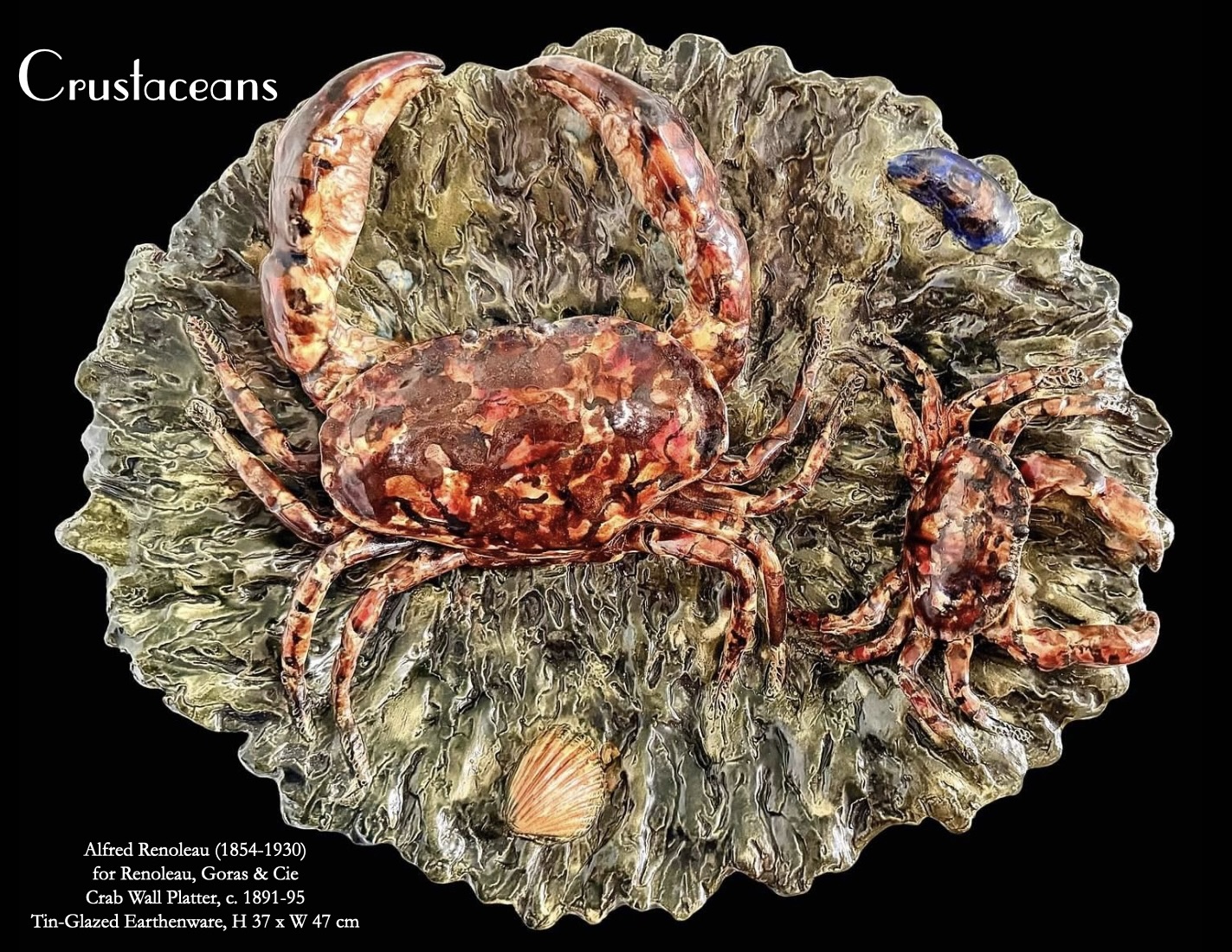
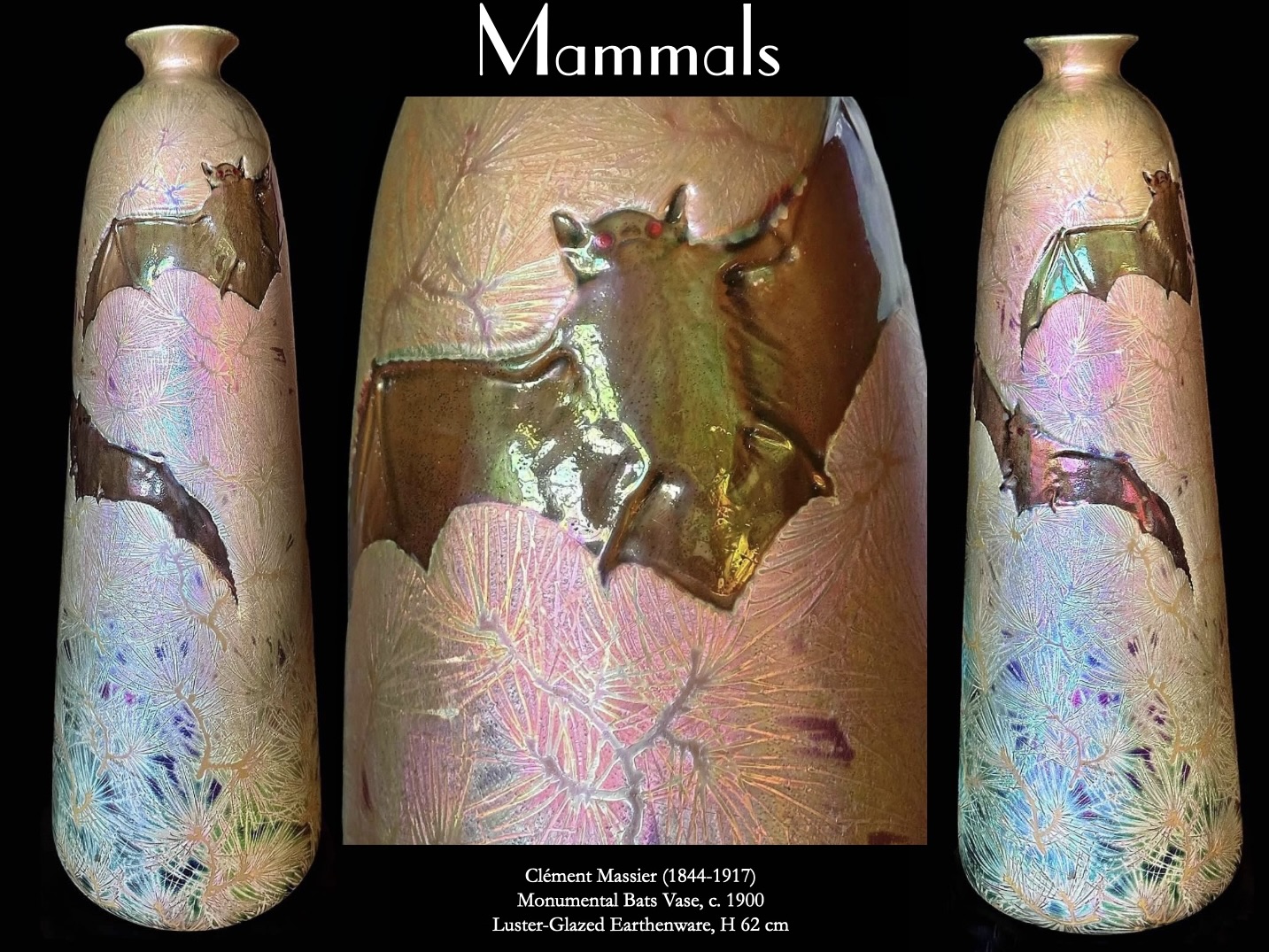
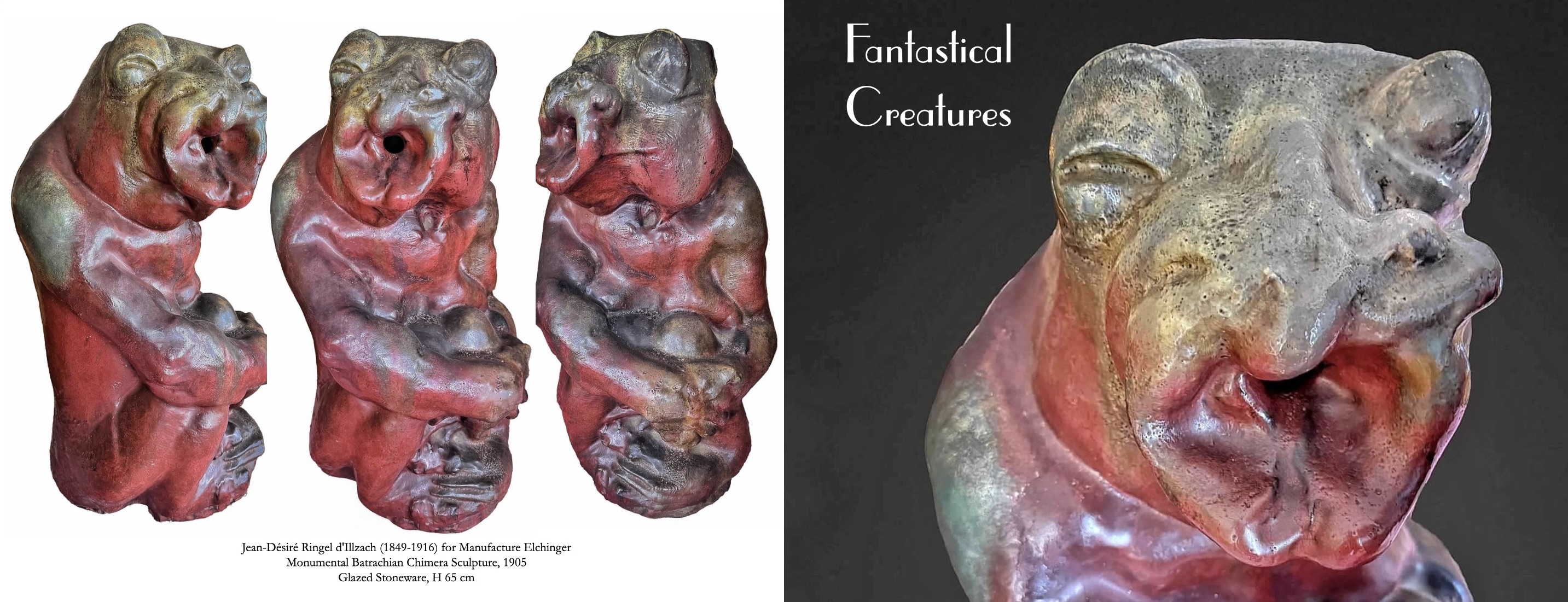
Each record holds date, material, dimensions, and provenance as stable fields—photography is indexed as overall views, detail studies, and surface reads.
Research · Cataloguing system
Bestiaire treats each ceramic as an exhibition object: stable metadata, animal classification placement, maker lineage, and scholarship notes—composed for slow looking under museum light.
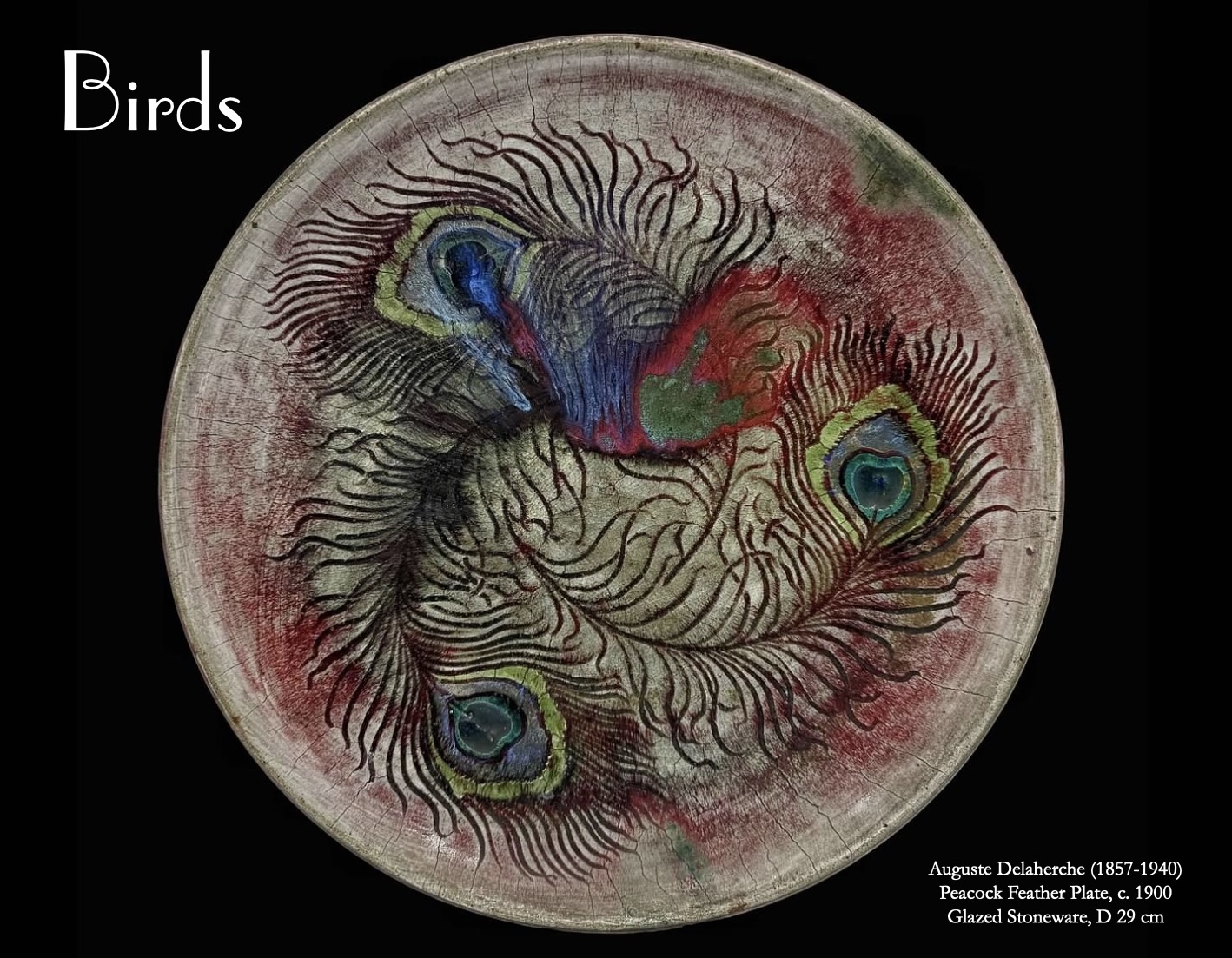
Each record holds date, material, dimensions, and provenance as stable fields—photography is indexed as overall views, detail studies, and surface reads.
Animals rooms, maker dossiers, and object records cross-reference one another. Representation and entity type are stored as editorial metadata for future curated indices.
Public navigation favors exhibition flow over blunt filters. Commentary and citations sit beside the object—readable as wall labels in a dark gallery.
Black-field plates with raking light to preserve relief and glaze topography.
Controlled vocabulary for taxa, materials, regions, and manufactories.
Wire objects to makers, regions, and neighboring taxonomic rooms.
Release records when scholarship notes and comparables are attached.